HOTLINE: 0908 340 239
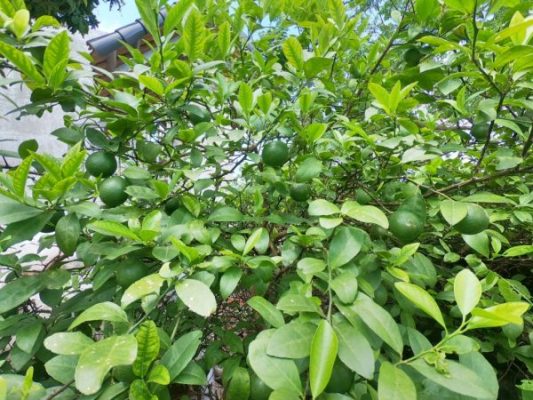
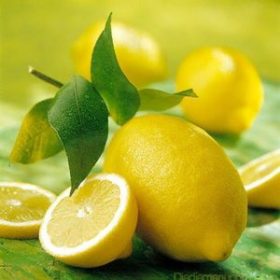
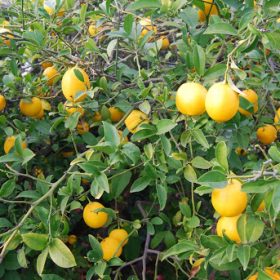
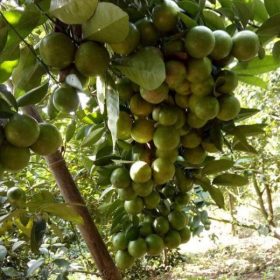
The lime, also known as the Key lime or Mexican lime (Citrus aurantifolia) to distinguish it from the lemon, is a plant belonging to the citrus genus with spherical fruits, ranging in diameter from 2.5 cm to 5 cm (1-2 inches). When ripe, they turn a very vibrant and beautiful yellow (though they are usually harvested while still green). Key limes are smaller, have more seeds, a higher acid content, a stronger flavor, and thinner skin compared to seedless limes (Citrus x latifolia). Key limes are favored for their distinct flavor compared to other citrus fruits—specifically their sharper sourness and bitterness—and are often used to make premium preserves.
Besides serving as a refreshing beverage, limes are also very effective medicinal herbs. According to Traditional Eastern Medicine, the fruit has a sweet and sour taste, a neutral nature, and acts upon the stomach meridian. Lime leaves have a pungent and sweet taste with a warm nature. The roots have a bitter taste and a warm nature. The fruit has the functions of promoting body fluids, relieving thirst, dispelling dampness, and stabilizing pregnancy. It is used in cases of summer heat with restlessness and intense thirst (sunstroke, dehydration, thirst, agitation); poor appetite; pregnancy toxemia with nausea; and high blood pressure.
Lime leaves help resolve phlegm, relieve coughing, regulate vital energy (qi), and stimulate the appetite. The roots help relieve coughing, alleviate asthma, regulate qi, and relieve pain.
Limes are used as medicine in cases of: – Colds and headaches: 50g of lime leaves, 50g of pomelo leaves, 50g of holy basil, 50g of Pluchea indica leaves, 50g of bamboo leaves, 20g of mint, 2 bulbs of lemongrass, and 3 cloves of garlic. Boil with water to make a steam bath to induce sweating. – Treating long-standing suppurative fistulas: 10g of lime leaves, 10g of Melicope pteleifolia leaves or Streblus asper leaves, and 10g of bamboo shavings. Dry, grind into powder, and sprinkle over the affected area. – Treating coughs: 10g of lime roots, 10g of mulberry root bark or mistletoe, and 8g of oriental arborvitae leaves. Chop finely, dry-fry until golden, decoct to get 100 ml of liquid, and divide to drink twice a day. – Treating whooping cough: 12g of lime roots, 12g of creeping woodsorrel leaves, 8g of amaranth leaves, 8g of Dysoxylum leaves, 5 bitter melon seeds, and 2g of roasted alum (phèn phi). Decoct, strain the liquid, add sugar, and divide to drink twice a day.
– Lemonade/Lime juice: Combats heat, prevents sunstroke, and quenches thirst. Squeeze the juice, add boiled water that has cooled, and optionally add sugar and salt. – Salt-and-sugar preserved limes: Fresh limes, peeled, seeded, sliced, and mixed with a little salt and sugar. Suck on small amounts gradually. Used for cases of nausea, vomiting, and epigastric burning. – Salt-preserved limes: Limes peeled, seeded, sliced, and marinated in salt for about 12 hours. Eat or suck on them. Used for cases of fever with pharyngitis, laryngotracheitis, thick phlegm, dry cough, and hoarseness. – Lime-braised chicken: 1 whole small chicken, 80g of limes. Clean and chop the chicken; squeeze the juice from the limes. Marinate the chicken with lime juice, white sugar, sesame oil, and table salt for 20 minutes. Place in a pan, cook over high heat, stirring evenly until partially cooked, then simmer over low heat until tender. Used for cases of dry cough due to bronchitis, poor appetite, abdominal bloating, and indigestion. – Duck stewed with lime juice: 240g of duck meat, 150g of fresh pineapple, 45g of chicken eggs, 90g of lime juice. Chop the duck meat into pieces, slice the pineapple, and beat the eggs after discarding the shells, mixing them with flour. Mix the duck meat with lime juice, then coat with flour and fry in a pan over low heat until puffed and cooked. Add seasonings, vinegar, and vegetable oil, stir-fry again, add sliced pineapple, and cook until the pineapple is tender. Used for cases of dizziness, vertigo, irritation, fever, thirst, and dry mouth/throat (due to yin deficiency with hyperactivity of yang causing internal wind and restlessness).
Contraindications: Individuals with unstable peptic ulcers or metabolic acidosis should not use it.
 Zalo
Zalo