HOTLINE: 0908 340 239
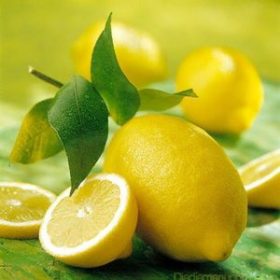
The Australian yellow lemon was introduced to our country about 5 years ago and is still not widely popular. They are highly rated for their quality, nutritional composition, and aroma. Compared to native limes, their peel will not turn bitter when placed in hot water. Australian yellow lemons can be stored for a very long time; if kept at room temperature, they can last for 1 month without rotting. If stored in the refrigerator, you can keep them for about 3 months.
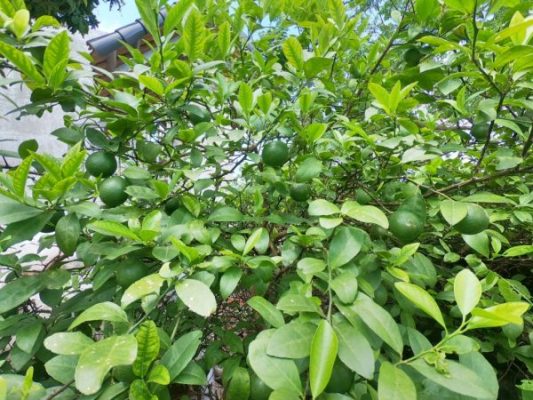
Australian yellow lemons bear quite large fruits. When young, the fruits are green, and upon ripening, they turn a very eye-catching yellow. Growing an Australian yellow lemon tree in a pot indoors provides both edible fruit and a decorative touch for the garden.
Planting Season: Australian yellow lemon trees can be planted year-round, but it is best to plant them at the beginning of spring or the onset of the rainy season. If planting at the start of the rainy season, attention must be paid to timely drainage management for the plant.
Planting Stock: When purchasing seedlings, choose plants with thick stems, green leaves, no signs of pests or diseases, intact root balls, and a height of about 50cm. Nowadays, Australian yellow lemon seedlings are no longer rare, so you can easily purchase them at plant nurseries.
Soil Requirements: Similar to native limes in our country, they are not picky about soil and easily adapt to various soil environments, except for saline and acid sulfate soils. The type of soil that allows the tree to grow well without requiring heavy care is nutrient-rich, well-draining alluvial soil with a pH of about 6.
Planting Holes and Density: The planting holes should have a width and length of about 50cm. The depth of the hole depends on the type of soil you are planting in; with good soil, you should dig about 60cm deep, whereas if planting in hilly or poor soil, you should dig about 70cm deep. A spacing of about 3m between each planting hole is most appropriate.
Once the planting holes are ready, apply basal fertilizer right away. The basal fertilizer mixture includes topsoil, well-rotted manure, phosphate fertilizer, agricultural lime, and termiticide/insecticide. Mix the combination thoroughly and pour it into the hole. Let it weather-cure for about 1 month before planting the saplings.
Planting the Australian Yellow Lemon Tree: Before planting, use a knife to cut away and remove the nursery bag. Dig a small hole right in the center of the planting pit, place the sapling upright, and fill it in with soil. Water the plant immediately to help it take root quickly. To keep the tree standing straight, use bamboo stakes to secure it.
Watering: The tree needs water to grow and develop; it should be watered regularly, especially during the dry season and when the tree is flowering and fruiting. During the rainy season, cultivate and break up soil crusts to help the tree drain water, avoiding waterlogging conditions that can suffocate the roots and cause the plant to die.
Fertilization: When the Australian yellow lemon tree produces its first new shoots, apply a small amount of NPK fertilizer and spray foliar fertilizer over the entire plant to encourage uniform flushing of new shoots. For excessively long young branches, trim them short to prevent strong winds from breaking the branches.
When applying top-dressing to the tree, dissolve urea fertilizer in water and water it around the base of the tree. On average, apply urea fertilizer to the tree about 3 times a year.
Pest and Disease Management: Australian yellow lemons frequently encounter major pests such as stink bugs, psyllids, aphids, and leaf miners. When you notice pests appearing, you should buy pesticides to spray and eliminate them immediately. Avoid spraying plant protection products close to harvest time, as this can cause poisoning for consumers.
 Zalo
Zalo