HOTLINE: 0908 340 239
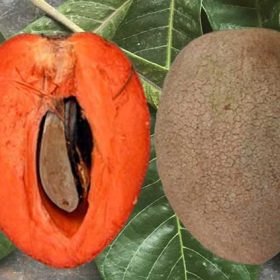
Originating from Thailand, the red sapodilla yields large, aromatic, and exceptionally sweeter fruits than many local varieties. In particular, discovering its interior will make you exclaim, "I have never seen such a stunning sapodilla!"
Sapodilla is a fruit tree already very familiar to the people of Vietnam and Southeast Asian countries. Known for its modest earthy-brown skin, it delivers a delicious and sweet flavor that captivates anyone who tries it. Recently, a new sapodilla variety with superior quality has appeared on our market, arousing curiosity and receiving overwhelmingly positive feedback from buyers: the red sapodilla.
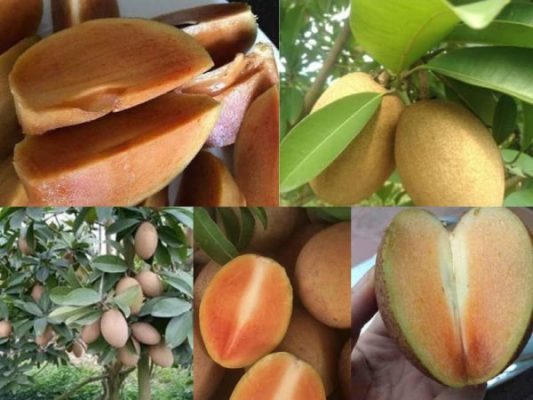
Red sapodilla was first cultivated in several southern provinces. Sourced from Thailand and well-suited to Vietnam's climate, it produces large, attractive fruits. An individual red sapodilla is elongated, reaching up to 17 cm in length. Its weight is significantly greater than standard sapodilla, and the inner flesh features a gorgeous red hue. Upon tasting, you will experience a rich, deeply sweet flavor that lingers pleasantly in the throat. Notably, this robust and highly productive variety has become increasingly favored by growers, gradually replacing older sapodilla types.
(Close-up image of the red sapodilla's interior)
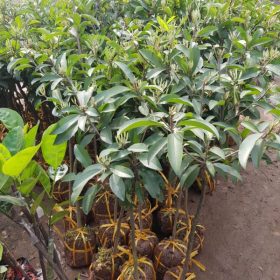
Red sapodilla trees are directly propagated at the Vietnam National University of Agriculture. Currently, the plants at the nursery are blooming, so with proper care, they will rapidly bear fruit.
Beyond its striking appearance and delicious flavor, domestic scientists have discovered that red sapodilla contains numerous health-beneficial nutrients. Its Vitamin A content is 1.5 times higher than that of regular sapodilla. High levels of minerals such as iron and magnesium, along with abundant sugar and dietary fiber, make it an exceptional source of energy and nutrients that strengthen the body and boost immune defense. Regular consumption can support bone health, maintain a healthy digestive system, and even help prevent cancer.
According to successful growers, red sapodilla is not overly demanding regarding soil. It can thrive in various soils, including light loamy soils with light mechanical composition. However, sapodilla cannot tolerate waterlogging, requiring loose, well-drained, and nutrient-rich soil.
The planting soil should be prepared by digging pits and applying basal organic manure along with agricultural lime for disinfection. Thoroughly mix the soil with fertilizer and let it compost for 1 month before planting saplings to ensure a pathogen-free environment that promotes healthy growth.
Sapodilla trees can be grown from seeds or via air-layering. Growers typically choose air-layering for sustainable tree longevity and earlier fruit production. To save time and effort, you should source high-yield sapodilla saplings from trusted nursery stores.
Currently, most red sapodilla trees are propagated via grafting. Grafted saplings inherit the genetic traits of the parent tree, ensuring uniformly large fruit and high productivity. Select healthy saplings that are at least 50 cm tall and free of pests and diseases to guarantee optimal development.
Before planting, remove the plastic nursery bag and place the sapling directly in the center of the pit. Position the sapling straight and backfill with soil. Carefully pack the soil around the root collar to anchor the young plant securely. You can stake the plant during its initial stage to prevent toppling. Immediately water the soil after planting to help the sapling acclimate to its environment and quickly establish roots.
Sapodilla is a moisture-loving plant, so frequent watering is essential during the initial post-planting period. Afterward, tailor watering frequency to soil moisture and environmental conditions, typically 2 to 3 times a week. Ensure proper drainage during the rainy season to keep the trees robust.
(Caring effectively for red sapodilla brings high economic value. The nursery currently offers discount policies for bulk sapling purchases and supports shipping for distant customers. Contact us for direct assistance.)
To promote larger, more attractive fruits, apply supplementary fertilizers including well-rotted organic manure, urea, and a measured amount of foliar fertilizer to encourage branch and leaf growth. Regularly weed around the orchard to eliminate weeds and prevent pest infestations.
Red sapodilla develops a fairly large, wide canopy, making pruning necessary to establish good orchard ventilation. As a sun-loving plant, canopy pruning enhances light absorption and photosynthesis while eliminating stunted, diseased, or crowded branches.
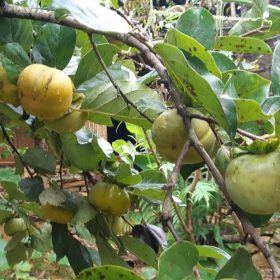
Red sapodilla takes about 5 to 6 months from flowering to harvest. When the fruit enlarges, the leaf stems thin out, and the outer skin shows slight cracking, it is ready for picking. When harvesting, cut the stem carefully, taking care to avoid getting sticky sap on your hands. Store red sapodilla in a cool, well-ventilated place to preserve freshness and extend shelf life.
 Zalo
Zalo