HOTLINE: 0908 340 239
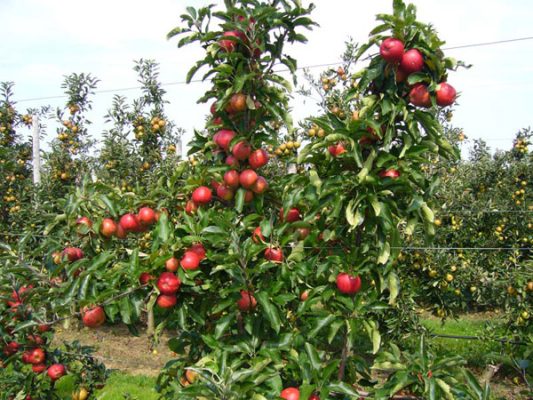
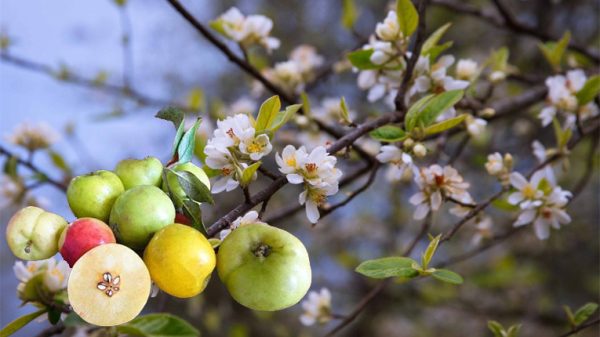
The red-fleshed, red-skinned apple is an easy-to-grow fruit tree that is undemanding regarding soil type and low in maintenance, yielding abundant crops of striking bright red fruits. From the skin to the core, the fruit is entirely red, offering a cool, sweet, mildly fragrant, and juicy taste that lacks the spongy texture of many other apple varieties. Furthermore, red apples contain an abundance of nutrients beneficial to overall health, prompting many individuals to purchase saplings for home cultivation as both ornamental plants and a clean fruit source.
Origin: Developed by Swiss horticulturist Markus Kobelt, who spent over 20 years researching and successfully breeding the variety. While commonly mistaken for a genetically modified organism (GMO), Kobelt actually utilized traditional cross-pollination and grafting techniques.
Alternative Names: Also known as Redlove or Redlove Era, it is recognized as the world's first true red-fleshed apple variety. Whether cooked or juiced, the fruit retains its stunning red coloration. Its nutritional profile ranks exceptionally high compared to other apple types.
Market Value & Appeal: Due to its exceptional traits, red apples command high market prices, motivating many home gardeners and homemakers to plant saplings at home.
The optimal planting window is the end of the rainy season, specifically November to December. The warm weather during this period prepares the tree for rapid growth as spring approaches.
Soil: Prefers organic-rich soils. Dig planting pits measuring 40 x 40 x 40 cm approximately one month prior to planting, apply basal fertilizer, and let the pit cure.
Spacing: Maintain a planting distance of 40 x 50 cm.
After pre-digging and basal fertilization, place the red-fleshed apple sapling upright in the pit, backfill with soil around the base, and pack firmly. Water thoroughly around the base immediately after planting to establish optimal moisture for development.
Provide adequate moisture consistently, particularly during the dry season, throughout fruit enlargement, and close to maturity.
Remove diseased, pest-infested, and lower canopy branches, then apply whitewash (quét vôi) to cut surfaces.
Rejuvenation pruning (đốn tái sinh) can be performed to stagger harvest timings, but must avoid the rainy season.
Apply fertilizers on a regular, periodic schedule to ensure the continuous supply of essential nutrients required for vigorous growth and high productivity.
 Zalo
Zalo