HOTLINE: 0908 340 239
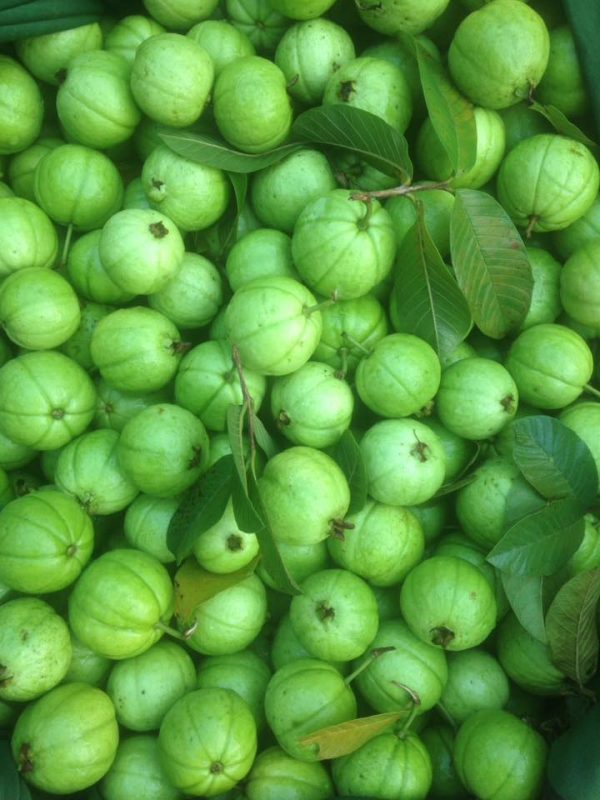
Source: Vietnam National University of Agriculture (VNUA) Research and Development Center for Plant Varieties (Trau Quy, Gia Lam, Hanoi). (Note: Prices fluctuate; please contact support for current rates).
Sapling Specifications: Height ranges from 60 cm to 70 cm.
First Harvest: Yields its first harvest after 2 to 3 years.
Planting Density: Tree-to-tree spacing of 3 to 3.5 meters.
Shipping Guidelines:
Long-distance shipping supported via bus lines or trucks.
Saplings are carefully packed in crates or reinforced packaging to protect root balls during transit.
Quality Commitments:
Guaranteed true-to-type quality. Rootstocks and scions are sourced from isolated, disease-free mother trees showing robust growth, pest resistance, and stable, characteristic yields.
Discounted shipping for bulk orders.
Ongoing technical support for cultivation, care, and market output guidance.
Planting Season: Best planted at the beginning of the rainy season (May to June).
Double-Planting Method: Plant two saplings per pit at a density of 100–105 roots per 1,000 m² to optimize production costs and double final yields.
Pit Specifications: Square pits sized 50 x 50 x 50 cm, with spacing of 3 x 4 meters (or alternative row configurations of 3.5 x 4.5 meters with small planting holes 20 cm in diameter and 20 cm deep). Separate topsoil from subsoil; mix subsoil with organic manure, agricultural lime, and phosphate, then fill the pit so it sits 20–30 cm higher than the surrounding ground level.
Requires loose, well-aerated, moisture-retaining soil with a cultivation layer deeper than 50 cm. Alluvial soils are particularly optimal for vigorous growth, high productivity, and superior fruit quality.
Year 1: Apply NPK 12-15-18 compound fertilizer 4 times a year, 100g per application, supplemented with 50g of ammonium sulfate per round.
Year 2: Apply 200g of compound fertilizer 4 times a year, plus 100g of ammonium sulfate per round (total annual application of 1,300g per tree).
Year 3: Apply 300g of compound fertilizer 4 times a year, plus 150g of ammonium sulfate and 50g of magnesium sulfate per round (total annual application of 2,000g per tree).
Subsequent Years: Increase fertilizer quantities proportionally as trees enter full bloom and fruit-bearing stages, accounting for nutrient extraction based on harvested yields. Apply nitrogen-heavy fertilizers one month prior to flowering to maximize blossom counts. With proper management, trees can yield economic returns by Year 3, reaching commercial outputs of 30 to 50 tons per hectare by Year 6 or 7.
Fruit Flies (Dacus dorsalis): Active during June and July, attacking ripe guavas with softened flesh, laying eggs that result in maggot infestation and rendering up to 70–80% of ripe fruit unedible. Timely harvesting, gathering fallen ripe fruits, and sanitizing surrounding host plants (such as papaya, citrus, and mango) are critical. Use Methyl Eugenol or protein hydrolysate traps combined with insecticides like malathion to attract and eradicate pests.
Sucking Pests and Caterpillars: Mealybugs (Pseudococcus citri) frequently target neglected orchards. Leaf-rolling caterpillars, loopers, and large hairy caterpillars feed on leaves and young fruit. Ants that harbor mealybugs must also be controlled. Apply organophosphate or carbamate insecticides to manage these populations effectively.
Maturity Timeline: Seed-grown trees yield fruit after approximately 4 years, whereas layered saplings produce fruit within 2 years (or sooner).
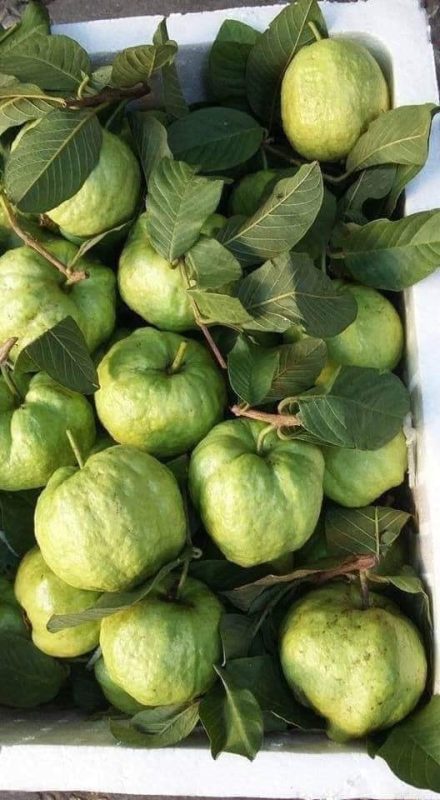
Harvest Indicators: Ripe fruits transition from pale green to yellowish, possess smooth skin, and yield softly to the touch. The crop matures quickly—taking just over 3 months from blossom to fruit. Because guavas ripen rapidly, they should be sold promptly post-harvest and can only be stored for a few days at normal room temperatures.
 Zalo
Zalo