HOTLINE: 0908 340 239
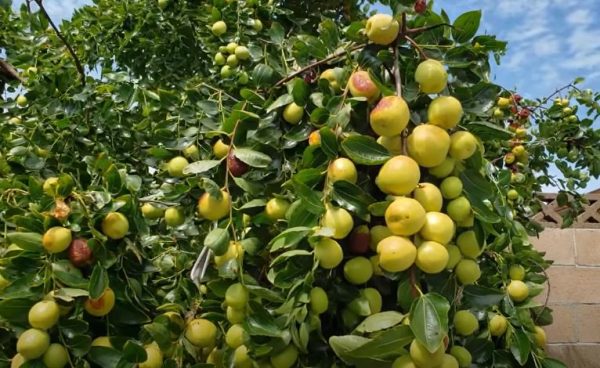
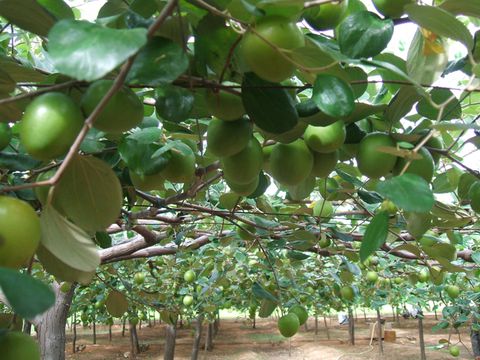
The jujube (táo tàu), often compared to dates, is widely familiar for both traditional medicinal applications and culinary uses. This comprehensive guide outlines the essential characteristics, cultivation methods, and maintenance practices tailored for growing jujube trees under Vietnamese climatic conditions.
Origins & Growth: Native to China, the deciduous tree features glossy green leaves, light grey bark, and can reach heights of up to 12 meters.
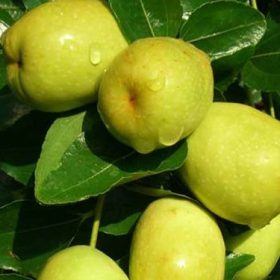
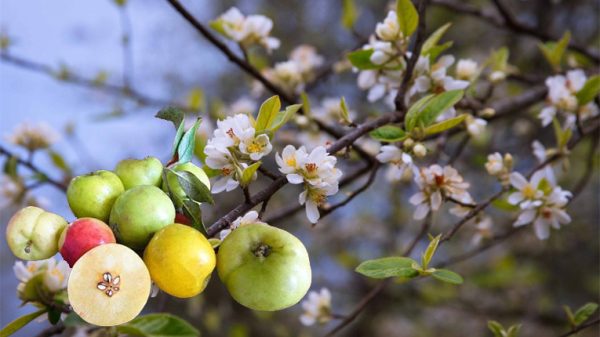
Fruit Characteristics: Oval, single-seeded fruits start green and transition to dark brown over time. Similar to figs, the fruit dries and wrinkles if left on the branch. It has a thin, dark red skin enclosing a sweet, white pulp with a flavor reminiscent of standard apples, and houses abundant nutrients such as potassium, phosphorus, and calcium.
Nutritional Value: Rich in Vitamin C and B-complex vitamins, its Vitamin C content surpasses citrus fruits like oranges. Fresh jujubes also exhibit high antioxidant capacity relative to other fruits and vegetables.
Usage: Consumed fresh, dried, or processed similarly to dates, and utilized in confections, baked goods, candies, and jams.
Adapts to a wide range of soil types and pH levels provided drainage is optimal.
Prefers sandy loam or light soils, though it can grow in heavier clays.
Tolerates saline, alkaline, or slightly acidic soils, thriving best within a pH range of 4.5 to 8.4.
Established trees exhibit exceptional drought tolerance due to their deep, extensive taproot system.
Water demands are relatively lower, and salt tolerance is higher than most other fruit trees. However, regular irrigation is essential to maximize crop yields.
Trees can survive with minimal supplementary fertilization, but mature fruit-bearing trees require targeted feeding for peak productivity. Newly planted saplings do not need fertilization.
Thrives in regions featuring long, hot, dry summers preceded by adequate early-season rainfall, coupled with cool dormant-season temperatures—conditions well-suited to Vietnam's climate.
Flowering & Fruiting Requirements: Daily average temperatures above 20°C are required for flower set, while fruit development demands daily averages above 24–25°C.
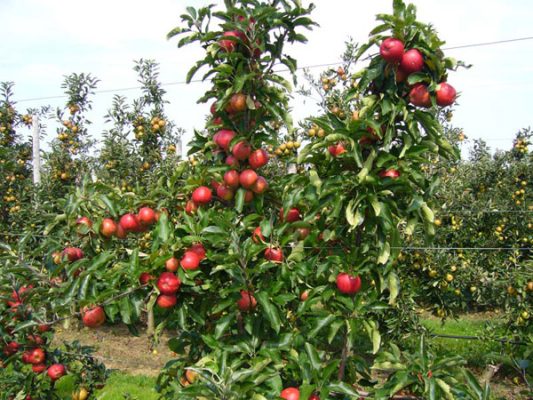
Spacing: Standard orchards are planted at 4–5m x 5–6m. In Vietnam's intensive fruit systems, common spacing is 2–3m x 3–4m, closing down to 1m x 2m for intensive layouts, and 0.5–0.7m x 1m for super-intensive systems or greenhouses.
Density: Commercial orchards typically maintain 550 to 1,000 trees per hectare.
Pit Preparation: Dig 0.6–1m pits based on orchard density. Backfill with native soil blended with well-rotted organic manure, superphosphate, and micronutrients. Plant successfully just before bud break.
Protection: Jujube trees are vulnerable to wind damage, so establish windbreaks in windy locations and install protective netting against birds, rabbits, and rodents.
Critical feeding periods include:
September
Early flowering (October / November)
Rapid fruit expansion (December)
Immediately post-harvest (April–May)
Requirements: Balanced nutrition supplying Nitrogen (N), Phosphorus (P), Potassium (K), Magnesium (Mg), and micronutrients, adjusted according to soil fertility, tree age, and crop load. For deciduous orchards, early spring is the ideal window for annual NPK application.
Precise scheduling directly affects tree health, yield, fruit size, and quality.
Micro-sprinklers are highly efficient options for jujube orchards, conserving water by targeting the root zone beneath trees rather than wasting water between rows.
Deep Pruning: Performed to remove unproductive, weak, diseased, or overcrowded shoots.
Summer Pruning: Eliminates non-fruiting, crowded, damaged, or diseased new shoots on both young and mature trees.
Framework Training: Train trees to maintain 6 to 8 primary scaffold branches distributed evenly in all directions within a height of 3 to 5 meters. Prune back remaining side shoots to 5 or 6 buds annually until trees reach roughly 3 meters in height. Tie down overly vertical branches horizontally during the growing season.
Diseases: Generally resilient, but susceptible to brown leaf spot caused by the fungus Nothophoma quercina.
Pests: Rabbits, rodents, and birds can be controlled with fencing or netting. Fruit flies (Dacus dorsalis) pose a major threat, requiring localized orchard baiting and sanitation.
Blooms in early summer (November to December in local conditions) with fruit ripening by late February. Flowers are small (3–10 mm), greenish-yellow, and emerge on current-season shoots.
Because jujubes experience heavy natural fruit drop post-flowering due to unfertilized or degenerated ovules, intervention measures include:
Introducing honeybees into the orchard during bloom.
Spraying 10–20 ppm gibberellic acid or 0.2% borate 2 to 3 times during the flowering period.
Grafting: Graft jujube scions onto vigorous rootstocks.
Cuttings: Take cuttings in early spring before bud break or at the end of the growing season. Cut 18–20 cm long sections from primary root-producing shoots in spring. Plant in trenches spaced 30 cm apart (2–3 cm deep), cover with a 5 cm mulch layer, maintain 1-meter row spacing, and water regularly until healthy seedlings establish by autumn.
Harvest Window: Fruits ripen from February to April. Yields average 30–40 kg of fresh fruit per tree (estimated at 20–30 tons/ha).
Maturation Stages:
White-Ripe Stage: Full size; skin transitions from green to greenish-white. Ideal for drying.
Ripe Stage: 50% to fully red; skin thickens and separates easily from crisp, sweet flesh. Best for fresh consumption and storage longevity.
Fully Ripe Stage: Sugar levels peak, water content drops, flesh near the pit turns yellow and soft, and skin turns dark red and wrinkled.
Harvest Technique: Clip stems rather than pulling fruits from the branch.
Post-Harvest Processing: Sort by maturity and size. Store at low temperatures, or dehydrate by sun-drying for roughly 3 weeks or using a drying oven at 60°C for 36–48 hours until moisture drops below 25%. Dried fruit can be consumed directly or processed into juice, wine, or powder.
 Zalo
Zalo